
Before we dive into the matter, you first have to understand what DisplayLink is. It is a proprietary graphics transport technology that lets computers connect to one or more external displays over USB, using docks or adapters built around DisplayLink chips.
It works by compressing display data on the host computer and sending it to a chip in the connected device. The chip then decodes it for output to monitors through interfaces such as HDMI or DisplayPort.
On Linux, this support can rub some people the wrong way due to its closed-source nature. That is where Mike Lothian's (FireBurn) Vino comes in as an open alternative.
Unfortunately, Synaptics owns DisplayLink and has sent Mike cease-and-desist letters alleging that he infringed its DisplayLink patents with his project.
What's Vino?
Vino is a driver that lets the Linux kernel talk to DisplayLink docks directly. It is meant to replace DisplayLink's closed-source software and the open source EVDI kernel module that sits beside it.
Mike wrote it with help from Claude Code, and the first version reached the kernel mailing list in June, unfinished. He had faced a communication issue between the dock and the driver and asked other developers for help.
In early July (courtesy of LWN.net), he emailed a Synaptics employee for guidance and mentioned his Rust rewrite of EVDI. About two weeks later, a different employee replied.
That reply said his Rust rewrite of EVDI was not a thing of concern. Rather, the concern was the DisplayLink protocol and codec, which Synaptics believes are covered by its patents.
Lawyers get involved
A cease-and-desist letter followed on August 17. It told Mike to stop development and withdraw anything he had submitted to maintainers and hosting sites, with a signed confirmation due by August 28.
An appendix listed over 125 patents without saying which applied. Mike posted a working version 3 of Vino on August 26 and asked Synaptics the next day which claims they had in mind.
The answer came in October as claim charts. They map one claim from each of two patents, GB2484736 and GB2485613, to his source code.
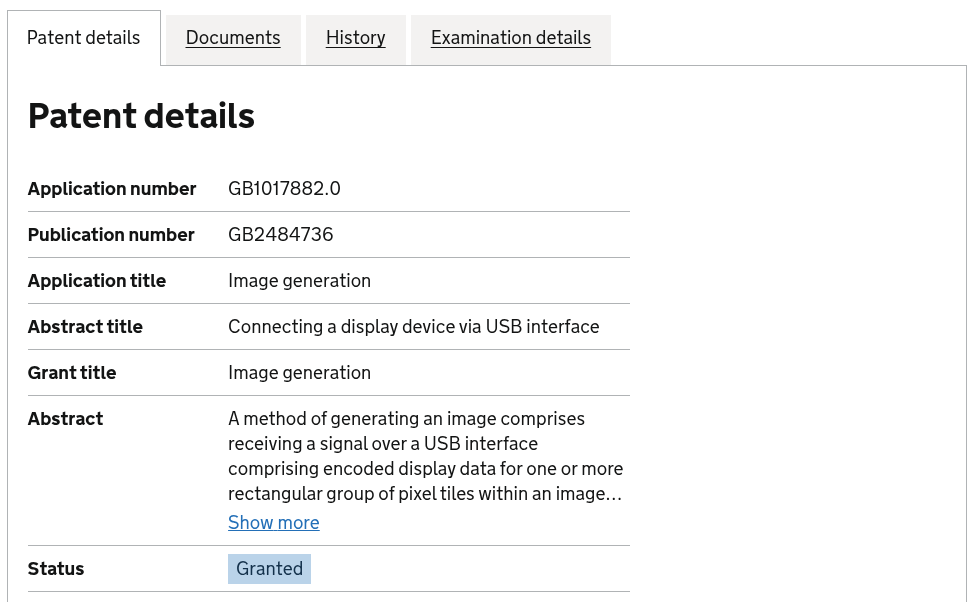
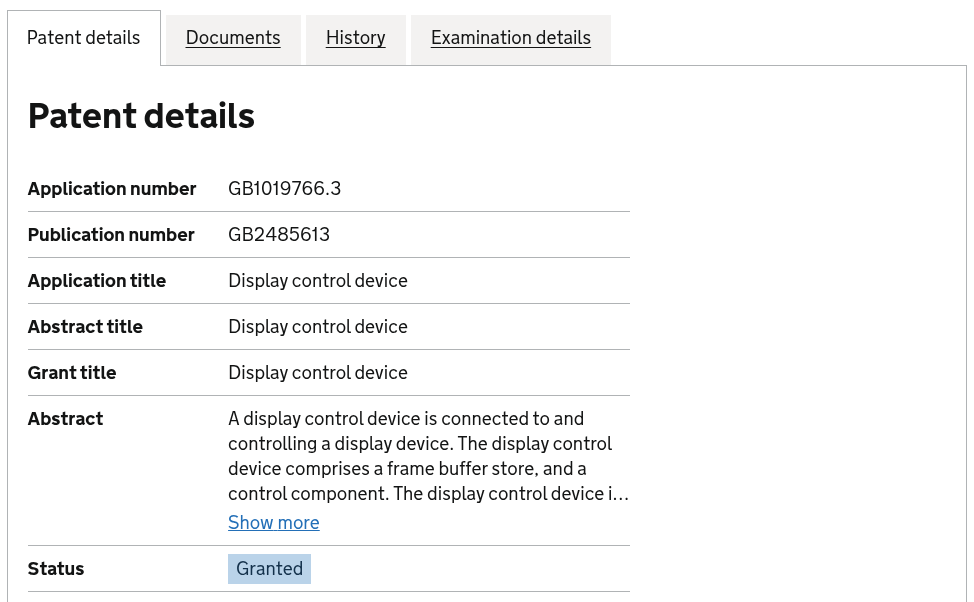
The October 5 letter said Synaptics would seek $25,000 for the cost of preparing those charts if Mike missed an October 11 deadline, with the figure rising by at least $25,000 each week.
Mike replied on October 6 (message 8) with an offer to pause public work on the encoding code the charts point to if Synaptics paused the deadline and the weekly charge. He also asked about licensing that code for non-commercial use.
On October 7, Synaptics said it would grant no patent license or promise not to sue and set October 18 as a final deadline.
Synaptics took about three weeks to answer his request for specifics, then followed with a potentially life-ruining $25,000 demand that compounds weekly.
Clean room design quirks
Mike describes Vino as a clean-room driver and says he reverse engineered it from captured USB traffic and vendor programs.
If you didn't know, in a clean-room recreation, one party studies the original implementation, then writes a description, and a separate party builds the new code from that description alone.
It is meant to act as a defense against copyright claims because it shows nothing was copied. Synaptics’ July reply argues that clean-room or independently written code can still infringe a patent. 🤷
The timing
Vino also lands in a busy stretch for AI-assisted reverse engineering, from smart TV cleanups to office suite clones. Legal pressure has reached other AI-built projects too.
Mike has already taken down the Vino repository in response to the demands, and Synaptics has not made a public statement so far.
Only time will tell what happens to the work, and I hope someone forked it before it went offline, as that would give others a good starting point to build on.

from It's FOSS https://ift.tt/H5Kyfxj
via IFTTT

Tidak ada komentar:
Posting Komentar