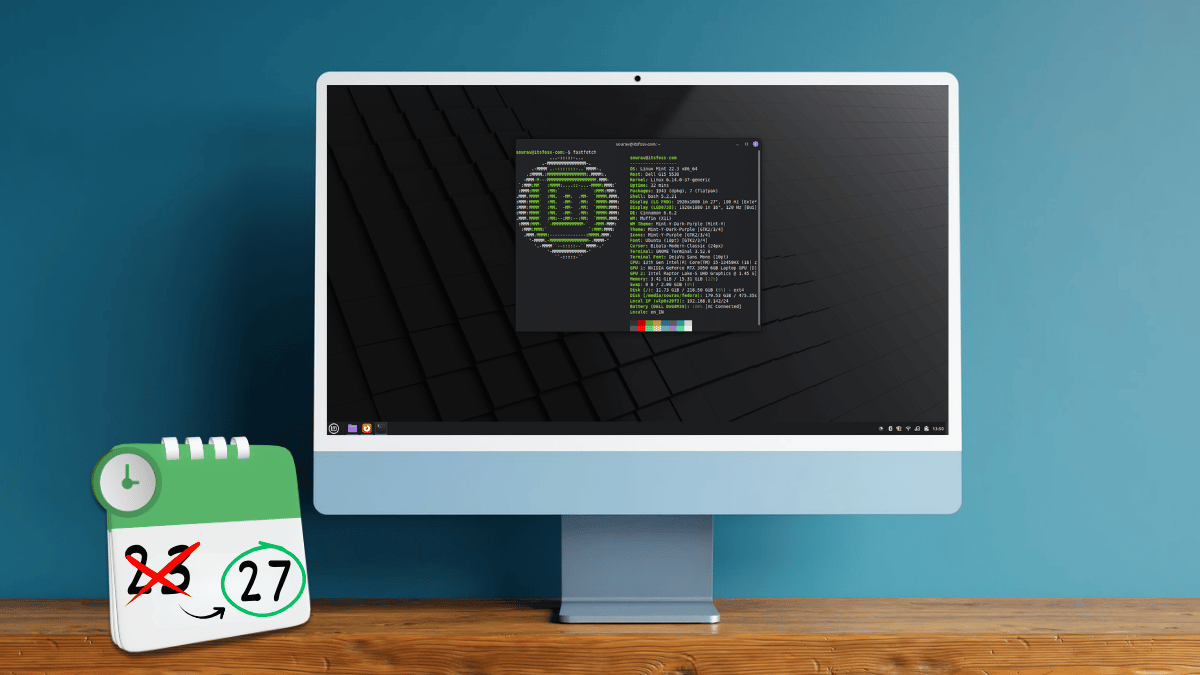
In the project's September monthly update, Linux Mint lead, Clement Lefebvre (clem), says that the distro's version number now reflects the upcoming year and that point releases aren't a thing anymore.
Releases will come once a year, so 28 follows this one, and users upgrade from the current year's to the next. This ought to make it simpler for the many beginners who use Linux Mint as a gateway to the Linux platform.
The codenames change too, as the girls' names Mint has used since 2006 give way to boys' names. Linux Mint 27 "Adrien" is the first release to follow these new conventions, though it did not start off that way.
Where did LM 23 go?
You see, the devs had no name or version number ready for the next release when work on it began earlier this year, so they picked temporary ones. This way, "Alfa" became the codename and "23" the version.
That was because the release strategy was unclear. The cycle length, the handling of minor releases, and the question of alpha releases were all undecided, and the strategy would also dictate how releases got numbered and named.
It all goes back to the January update, when Clem said shipping a new release twice a year while also looking after LMDE was leaving them with less time to actually build features.
By March, the team had locked in a longer development cycle and a Christmas 2026 target for the next release. The move we have been talking about so far marks the end of that long decision-making process.
Clem also points out that using the girls' names for releases all these years, from Ada to Zena, had made them run out of alphabet just as the schedule changed, which he found a funny coincidence.
He says the project has never spent a full year on one release before, and while the move away from six-month cycles was a tough decision, it is working out.
A year of development
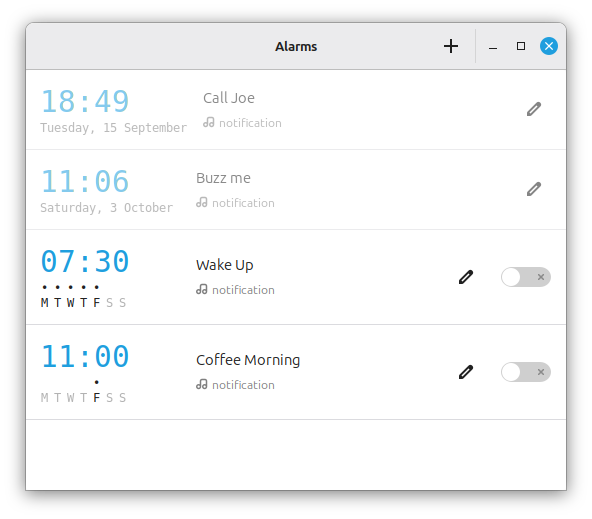
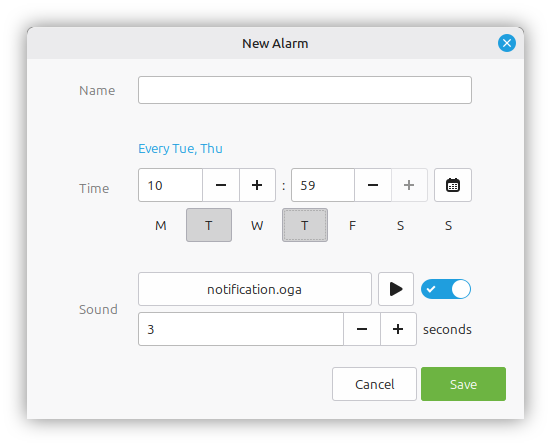
The longer cycle gives the team room to attempt projects that would once have felt out of reach. The Clockenstein project, which gave Mint a calendar app in the August update, now has an alarm app called Clocks too.
Alerts from Clocks run through the Clockenstein daemon and agent that already handle the calendar's notifications, so they go off even with the app shut. It handles repeating alarms and lets you pick your own sounds, while its look and behavior are borrowed from Android.
Three more projects, Superlight, Unfold, and Velocitty, are also getting their finishing touches. The next update blog will feature them.
If you need a refresher of the development work carried out so far, then you can read about Linux Mint's kernel removal feature and how Wayland support has been achieved.

from It's FOSS https://ift.tt/k1T6LPF
via IFTTT

Tidak ada komentar:
Posting Komentar